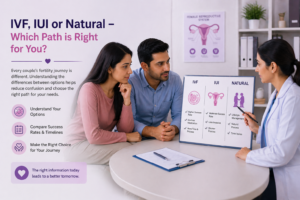
When planning a family, knowing the right time to seek professional evaluation can save valuable time and provide peace of mind. A common question among couples trying to conceive is: How long should couples wait before consulting a fertility specialist? Medical guidelines provide clear, age-specific benchmarks to ensure you receive timely, personalized guidance without unnecessary stress.
The Standard Guidelines by Age Group
Reproductive medicine organizations worldwide, including the American Society for Reproductive Medicine (ASRM), recommend the following timelines for seeking a fertility consultation:
- Women Under Age 35: Consult a specialist after 12 months of regular, unprotected intercourse without conception.
- Women Aged 35 to 39: Consult a specialist after 6 months of trying, as egg quantity and quality decline more rapidly after age 35.
- Women Aged 40 and Older: Consult a fertility specialist promptly or within 3 months of trying, to ensure baseline evaluation and explore supportive options without delay.
How Long Should Couples Wait Before Consulting a Fertility Specialist? Key Signs to Act Earlier
You do not need to wait for the standard 6 or 12-month mark if either partner has known reproductive or medical conditions. Immediate consultation is recommended if you experience any of the following:
- Irregular or Absent Menstrual Cycles: Indicating potential ovulatory disorders like PCOS or thyroid dysfunction.
- Severe Menstrual Pain or Known Endometriosis: Which can affect pelvic anatomy and tubal patency.
- History of Pelvic Infections or Prior Surgeries: Including ruptured appendix, ovarian surgery, or uterine procedures.
- Recurrent Miscarriages: Experiencing two or more clinical pregnancy losses warrants thorough recurrent pregnancy loss testing.
- Known Male Factor Issues: Including a history of testicular trauma, mumps orchitis, varicocele, or abnormal semen analysis.
What to Expect During Your Initial Fertility Consultation
An initial fertility assessment is non-invasive, informative, and collaborative. It typically includes:
- Comprehensive Medical History Review: Evaluating lifestyle, cycle characteristics, and previous health history.
- Ovarian Reserve & Hormone Blood Panel: Testing AMH, FSH, estradiol, thyroid function, and prolactin.
- Pelvic Ultrasound: Assessing the uterus, endometrium, and antral follicle count.
- Semen Analysis: Evaluating sperm count, motility, and morphology.
- Tubal Patency Assessment (HSG / HyCoSy): Ensuring fallopian tubes are open and healthy.
Frequently Asked Questions About Timing Your Fertility Assessment
Does seeing a fertility specialist mean we have to do IVF?
No. More than 60-70% of couples who consult a specialist achieve pregnancy through lifestyle guidance, cycle timing, nutritional support, or gentle ovulation medications without needing IVF.
Should both partners attend the first appointment?
Yes. Fertility is a shared journey. Approximately 40-50% of fertility factors involve male factors, so evaluating both partners together leads to the most accurate and compassionate plan.
Can we do preconception fertility testing before trying to conceive?
Absolutely. Proactive fertility check-ups provide clarity on ovarian reserve and semen parameters, helping couples plan their timelines confidently.
Have Questions About Your Fertility Path?
Connect with our dedicated fertility guidance team to discuss realistic treatment options, diagnostic evaluations, and personalized next steps with clarity and confidentiality.
Book Free Consultation